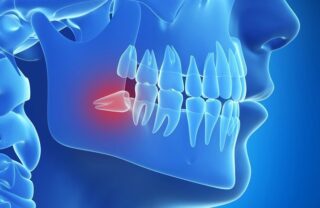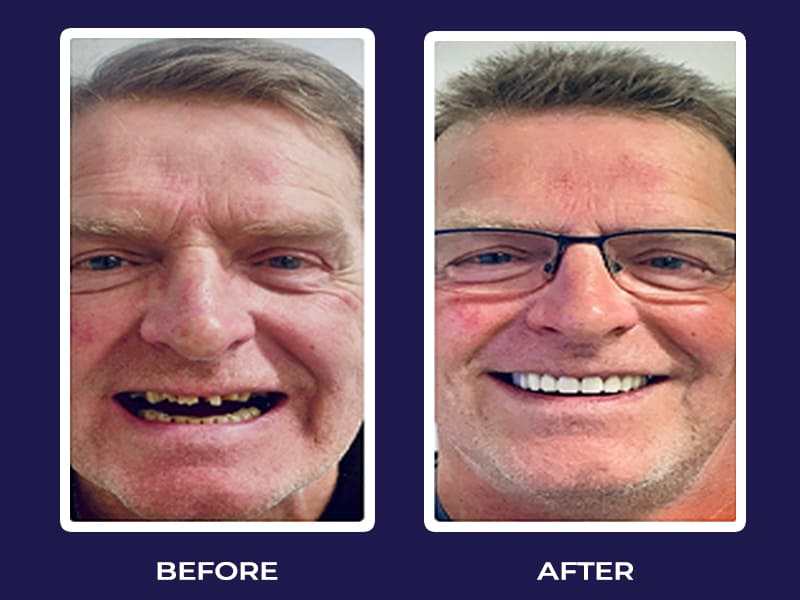
The Importance of Early Diagnosis and Treatment In the world of dentistry, the saying “prevention is better than cure,” rings true. Through the lens of a dental professional, prevention means early diagnosis and timely treatment. The benefits of early diagnosis in dental care are massive: it can prevent complications, cut down on treatment costs, and most importantly, preserve the health and aesthetics of your smile. Nobody wants to deal with a filling they could have prevented, but sadly this is just one example of not acting on early diagnosis. Why Early Diagnosis is Crucial Early diagnosis plays a pivotal role in determining the trajectory of dental issues. For instance, when a cavity is detected early on, a simple filling might suffice. However, if that cavity is left undiagnosed and untreated, it can progress to deeper layers of the tooth. This can lead to painful conditions such as tooth decay or even abscesses, which can further lead to the need for root canal therapy or tooth extraction. Symptoms to Watch Out For Here are some symptoms that, when overlooked, can develop into more severe conditions necessitating comprehensive treatment: 1. Sensitivity to Hot and Cold: Often a sign of cavities, if left unchecked, it can result in deep-rooted decay requiring a root canal or extraction. 2. Bleeding Gums: While it might seem benign, it's often a sign of gum disease. Ignoring it can result in advanced periodontitis, leading to tooth loss, pain and infection. While gum disease can be treated the impact of gum disease is irreversible, 3. Chronic Bad Breath: An indicator of poor oral hygiene, it can escalate to gum disease and decay if not addressed. 4. Pain on Biting or Chewing: This might indicate a cracked tooth or decay. Without treatment, it could result in the need for extensive dental procedures like crowns or implants. 5. Loose Teeth: A sign of underlying gum disease or trauma, neglecting it can result in tooth loss or the need for more complicated restorative work. Treatment After Late Diagnosis Should these symptoms be ignored, the resulting conditions will demand more invasive treatments: 1. Cavities: Typically treated with fillings, if they deepen, they can lead to decay necessitating root canals. 2. Gum Disease: Early stages might require deep cleaning or scaling and root planing, but advanced stages might need surgical interventions, tooth extractions or prolonged cycles or medication. 3. Tooth Decay: Depending on the severity, treatments range from fillings to root canals or even extractions. 4. Tooth Loss: May require dentures, bridges, or implants to restore function and aesthetics. This is often a costly issue to deal with and is why it is so crucial to be diligent with your oral health. The Power of Prevention Preventive dental care, which hinges on early diagnosis, can spare patients from complex procedures, higher costs, and the discomfort of advanced dental issues. Regular dental check-ups, at least twice a year, can ensure that potential problems are spotted early on. These check-ups can be instrumental in maintaining not just oral health but overall well-being. Want to discuss treatment with one of our recommended dentists in the Dorset and Hampshire area? Click here to find your next dentist.

The Importance of Early Diagnosis and Treatment

The Importance of Early Diagnosis and Dental Treatment In the world of dentistry, the saying “prevention is better than cure,” rings true. Through the lens of a dental professional, prevention …

How to Manage a lost filling or crown?

Has your tooth filling fell out? Don’t reach for the tooth filling repair kit online and try to fix it yourself, it’s important you deal with the issue quickly and …

How long does it take for Invisalign to work?

How long does it take for Invisalign to work?

How long does it really take for Invisalign to work? A popular question about Invisalign and one we’re going to answer now! We expect you’ve got other questions like what …

How long does a dental implant procedure take?

How long does a dental implant procedure take?

If you want to begin replacing teeth, then you’ve probably thought, ‘I need dental implants’! Dental implants are the best way to replace missing teeth because it supports the existing …

Are full-mouth dental implants a good idea?

Are full-mouth dental implants a good idea?

When it comes to teeth replacement options, there are quite a few options, from fixed options like dental implants to ‘removable teeth’ in the form of dentures. While removable options …

Can I whiten my teeth with Invisalign aligners?

Teeth whitening and teeth straightening are a fantastic combination of treatment and can completely transform someone’s smile! If you don’t have naturally straight teeth, fear not Invisalign is a revolutionary …

What is cosmetic dentistry and why do we need it?

Cosmetic dentistry, or aesthetic dentistry is a term used to describe the dental treatments that improve the aesthetic of our smiles. While you may think that cosmetic dentistry has little …

Which is better all on four or all on six dental implants?

If you’ve researched replacing missing teeth at all you’ll have come across dental implants! There are many health benefits to having dental implants and they’re one of the most recommended …

Here’s what you need to do in a dental emergency.

No one likes a dental emergency, but it’s key that we learn or have an idea of what to do if it arises, what is a tooth emergency, or dental …

Can you sleep with dentures in?

It’s common to get dentures when you have missing teeth. They’re great for improving the aesthetic of your smile, but also they play a key part in the functionality of …