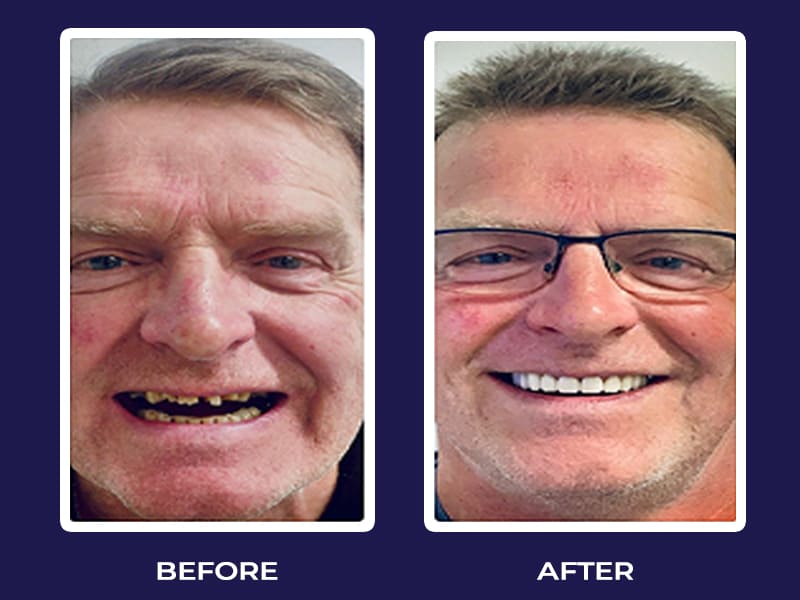
How Does Invisalign Work? A Complete Guide for Patients in Missing Teeth? How Dental Implants Can Restore Your Smile
October 22, 2026
Missing teeth can affect your confidence, bite and everyday dental function. If you also have crooked, crowded or uneven teeth, you may wonder whether orthodontic treatment can help improve your smile. Invisalign offers a discreet way to straighten teeth using clear, removable aligners. However, when tooth loss is involved, it is important to understand how this treatment fits into your overall dental care.
If you are considering Invisalign in Andover, understanding the treatment process and its role in managing tooth alignment can help you make an informed decision.
What Is Invisalign?
Invisalign is an orthodontic treatment that uses a series of custom-made, transparent aligners to gradually move teeth into their planned positions. Unlike traditional fixed braces, these aligners fit over your teeth and can be removed when eating, drinking anything other than water, and cleaning your teeth.
Each set of aligners applies gentle, controlled pressure to specific teeth. As you progress through the series, your teeth gradually move according to a treatment plan developed by your dental professional.
Digital scans or dental impressions help create aligners tailored to your teeth and bite, allowing treatment to be planned around your individual needs.
Can Invisalign Treat Patients with Missing Teeth?
The suitability of Invisalign depends on your individual dental condition. Invisalign moves existing teeth; it does not replace missing teeth or act as an artificial tooth root.
However, orthodontic treatment may form part of a wider treatment plan for patients with missing teeth. For example, your dentist may recommend adjusting the position of existing teeth or managing the space before a replacement tooth is fitted.
An experienced Dentist in Andover can assess your teeth, gums, bite and missing tooth spaces to determine whether Invisalign could be beneficial as part of your treatment.
How Does the Invisalign Process Work?
Treatment generally involves four stages.
1. Initial Assessment
Your dentist examines your teeth and discusses your concerns and smile goals. Digital scans, photographs or X-rays may be used to assess your bite, tooth positions and overall oral health.
2. Personalised Treatment Planning
Your dental scans help create a treatment plan showing how your teeth are expected to move. Your dentist will explain the proposed approach, likely treatment stages and whether Invisalign is suitable for your needs.
3. Wearing Your Aligners
You receive a series of aligners, each designed to make specific adjustments to your teeth. They generally need to be worn for most of the day, following your dentist’s instructions, and removed for meals and oral hygiene.
4. Monitoring Your Progress
Regular appointments allow your dental team to check that your teeth are moving as planned. You will change aligners according to your prescribed schedule, with adjustments to the treatment plan if necessary.
What If You Need to Replace a Missing Tooth?
Invisalign cannot replace a missing tooth. Depending on your oral health and treatment goals, your dentist may recommend a dental implant, bridge or denture.
In some cases, Invisalign treatment can take place before or alongside restorative treatment to help achieve the appropriate tooth alignment and spacing. The order of treatment depends on your individual circumstances and must be planned by your dental team.
For patients considering Invisalign in Andover, a comprehensive assessment is particularly important when tooth loss and alignment concerns occur together.
What Are the Benefits of Invisalign?
For suitable patients, clear aligners offer several practical advantages:
Discreet appearance: Transparent aligners are less noticeable than traditional fixed braces.
Removability: You can take them out for meals and daily oral hygiene.
Easier cleaning: Removing the aligners makes brushing and flossing more straightforward.
Personalised treatment: The aligners are designed around your individual tooth movements.
Flexible treatment planning: Invisalign may address several alignment concerns, depending on the complexity of your case.
Wearing your aligners as directed and maintaining good oral hygiene are essential for achieving the planned results.
Is Invisalign Right for You?
Invisalign is not suitable for everyone. Significant tooth loss, untreated gum disease and complex bite problems may affect your treatment options. These concerns need to be assessed before orthodontic treatment begins.
A qualified Dentist in Andover can evaluate your oral health and explain whether clear aligners, restorative treatment or a combination of approaches would be most appropriate.
At Smile Circle, a personalised consultation can help you understand your options and determine whether missing teeth need to be addressed separately from alignment concerns.
Final Thoughts
Invisalign can be an effective, discreet way to straighten teeth, but it does not replace missing teeth. For some patients, clear aligners may form part of a broader treatment plan that also includes restorative dentistry.
If you are exploring Invisalign in Andover, a professional assessment can help you understand your suitability and the available options. With appropriate planning, you can work towards a healthier, more balanced smile that meets your individual dental needs.
FAQs
Can I eat while wearing Invisalign aligners?
No, remove your aligners before eating and drink only water while wearing them. Clean your teeth before putting the aligners back in.
How often do Invisalign aligners need to be changed?
Your dentist will provide a personalised schedule. The frequency depends on your treatment plan and how your teeth respond.
Will Invisalign affect the way I speak?
You may notice a slight change in your speech when you first start wearing aligners. Most patients adapt as they become accustomed to them.

 Head Office - UK - Unit 1 B 132 Weyhill Road, Andover, Hampshire England, SP10 2PR.